Skip to content
  • Home
    • 👋 About Us
    • 🔒 Privacy Policy
    • Terms of Service (Applies to Pro & Basic Tools Only)
  • 🧠Engineering Corner
    • Contracts Corner📜
  • Membership Account
    • Log In
  • Membership Levels
  • Pro Tier
  • Basic Tier
  • Sample Reports
  • Home
    • 👋 About Us
    • 🔒 Privacy Policy
    • Terms of Service (Applies to Pro & Basic Tools Only)
  • 🧠Engineering Corner
    • Contracts Corner📜
  • Membership Account
    • Log In
  • Membership Levels
  • Pro Tier
  • Basic Tier
  • Sample Reports
IS 1893

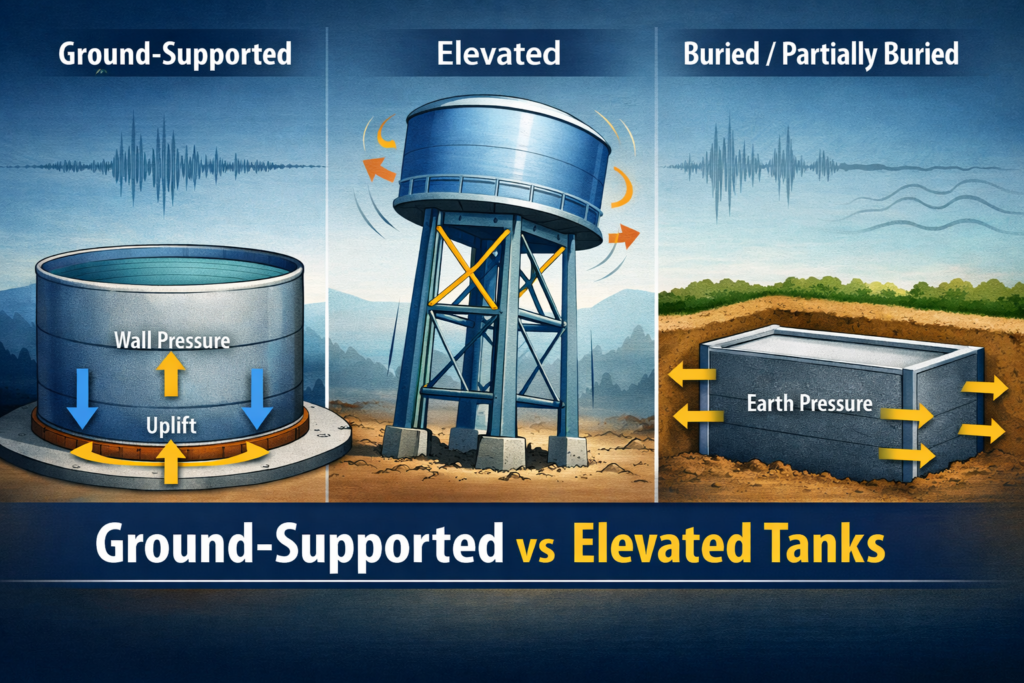
Ground-Supported vs Elevated Tanks in IS 1893 Part 2

Ground-Supported vs Elevated Tanks in IS 1893 Part 2 explained simply, including buried tanks, staging effects, rocking, uplift, and seismic behaviour.

Ground-Supported vs Elevated Tanks in IS 1893 Part 2 Read More »

Foundation Design

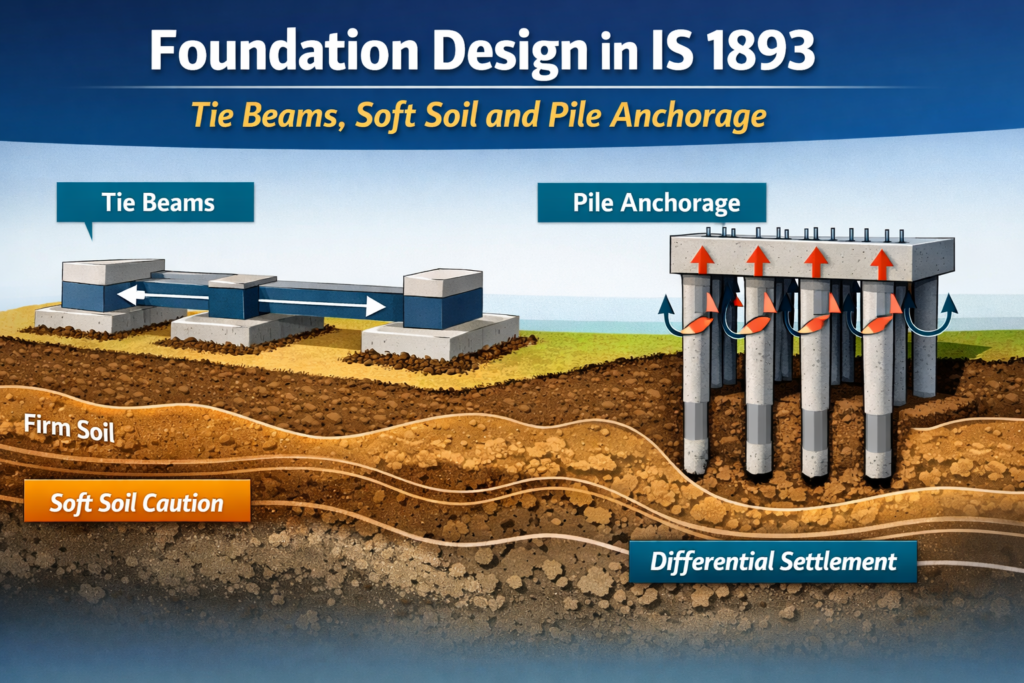
Foundation Design in IS 1893: Key Seismic Rules

Foundation Design in IS 1893 explained simply: tie beams, soft soil caution, pile anchorage, and differential settlement checks for seismic safety.

Foundation Design in IS 1893: Key Seismic Rules Read More »

Design Eccentricity

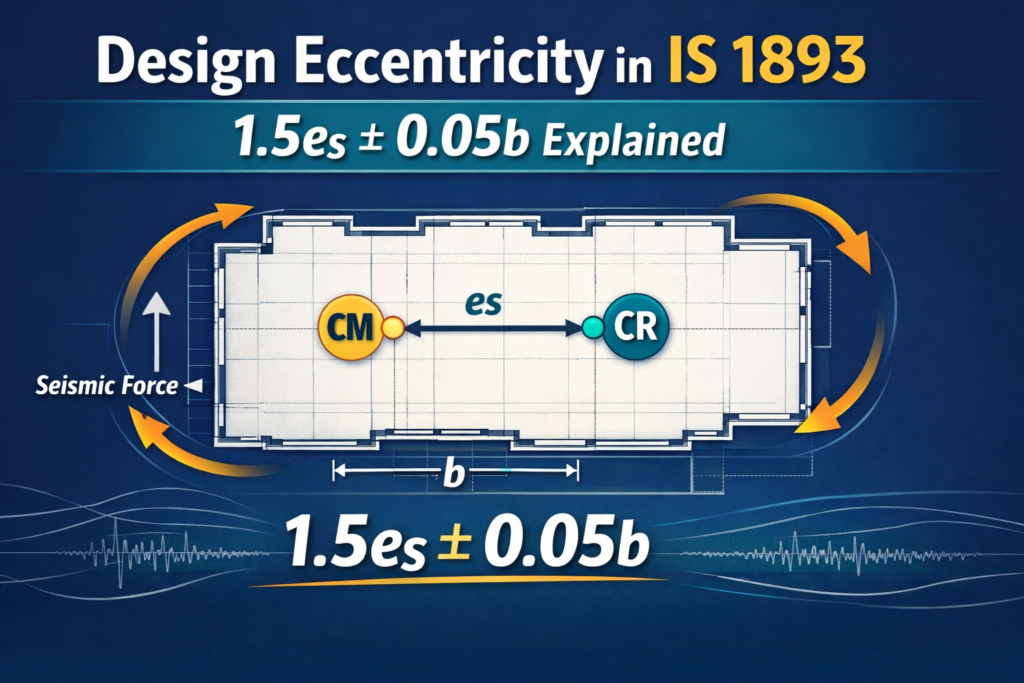
Design Eccentricity in IS 1893: 1.5es ± 0.05b

Design Eccentricity in IS 1893 explained simply—learn what 1.5es ± 0.05b means, why accidental torsion matters, and how to apply it in design.

Design Eccentricity in IS 1893: 1.5es ± 0.05b Read More »

Storey Drift

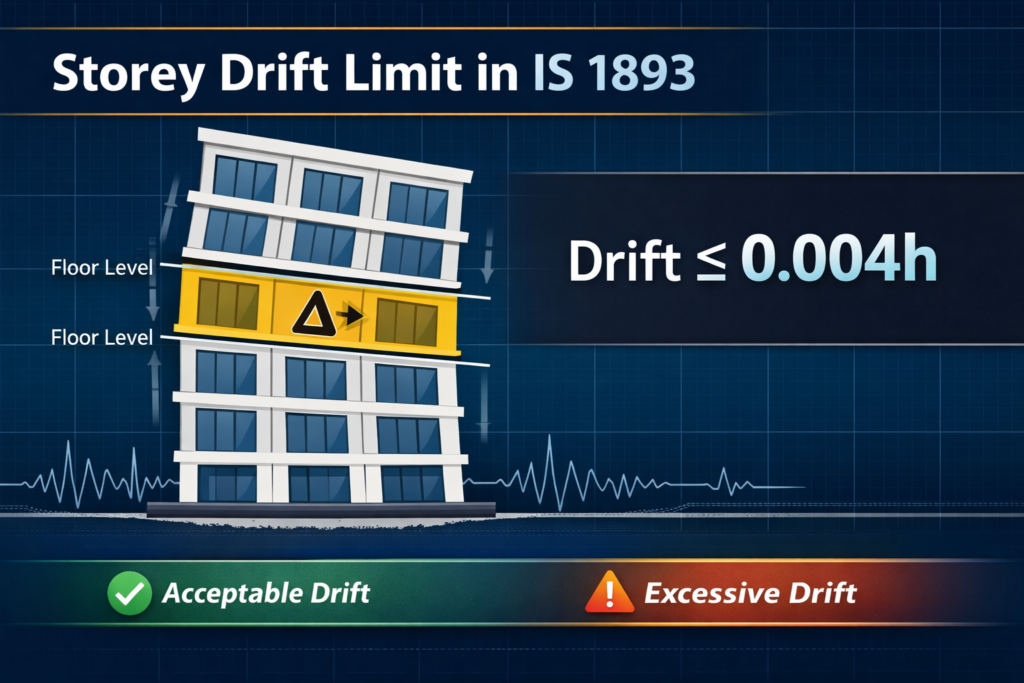
Storey Drift Limit in IS 1893: What 0.004h Means

Storey Drift Limit in IS 1893 explained simply—learn what 0.004h means, how to calculate drift, and why this code limit matters in seismic design.

Storey Drift Limit in IS 1893: What 0.004h Means Read More »

Bare Frame Analysis

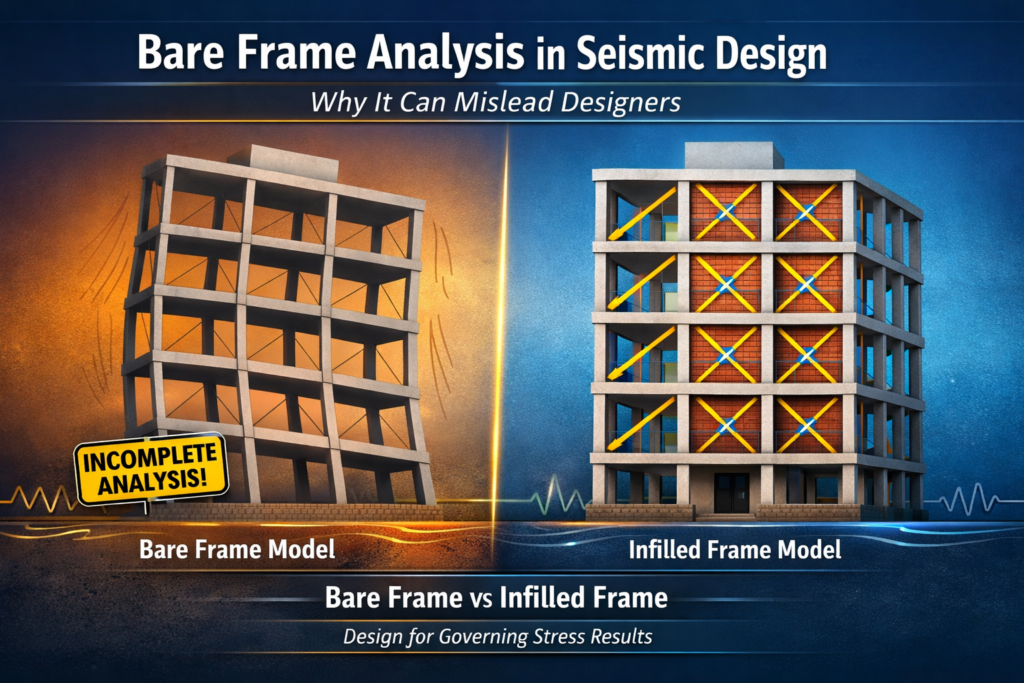
Bare Frame Analysis in Seismic Design: Why Misleading?

Bare Frame Analysis in Seismic Design can mislead engineers by ignoring URM infill effects on stiffness, irregularity, and governing member forces.

Bare Frame Analysis in Seismic Design: Why Misleading? Read More »

Infill Walls

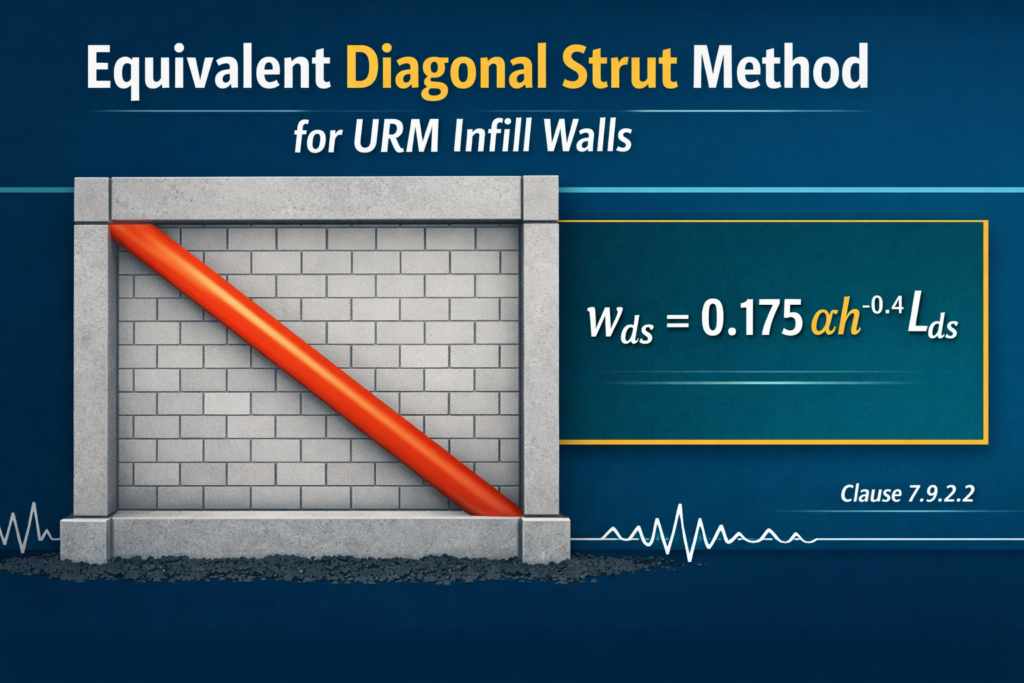
Equivalent Diagonal Strut Method for URM Infill Walls

Equivalent Diagonal Strut Method for URM Infill Walls explained simply—learn Clause 7.9.2.2, strut width, stiffness effects, and modelling rules.

Equivalent Diagonal Strut Method for URM Infill Walls Read More »

Masonry Infill

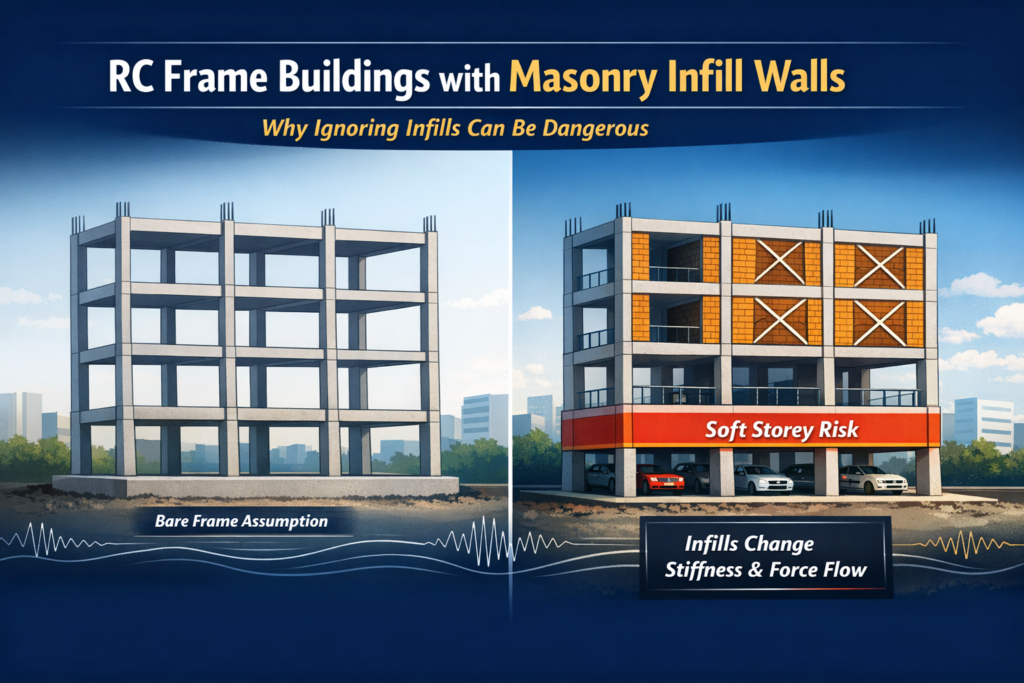
RC Frame Buildings with Masonry Infill Walls in IS 1893

RC Frame Buildings with Masonry Infill Walls in IS 1893 explained simply—learn how infills affect stiffness, soft storey risk, modelling, and seismic design.

RC Frame Buildings with Masonry Infill Walls in IS 1893 Read More »

IS 1893

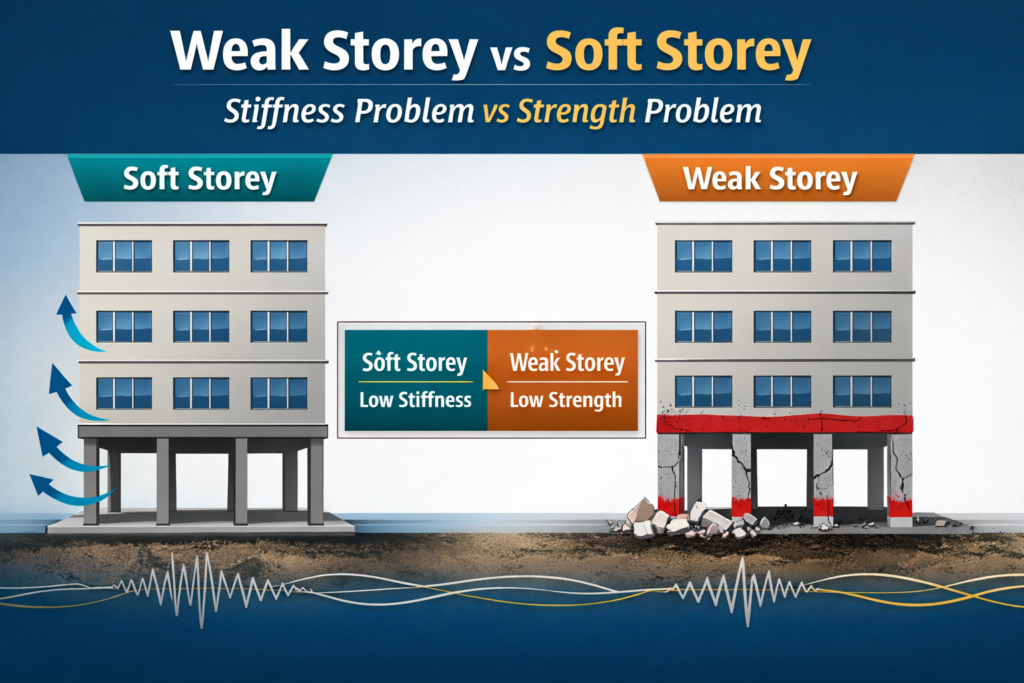
Weak Storey vs Soft Storey in IS 1893 Explained

Weak Storey vs Soft Storey in IS 1893 explained simply—learn the stiffness vs strength difference, code rules, and why open storeys are risky.

Weak Storey vs Soft Storey in IS 1893 Explained Read More »

Open Storey Buildings

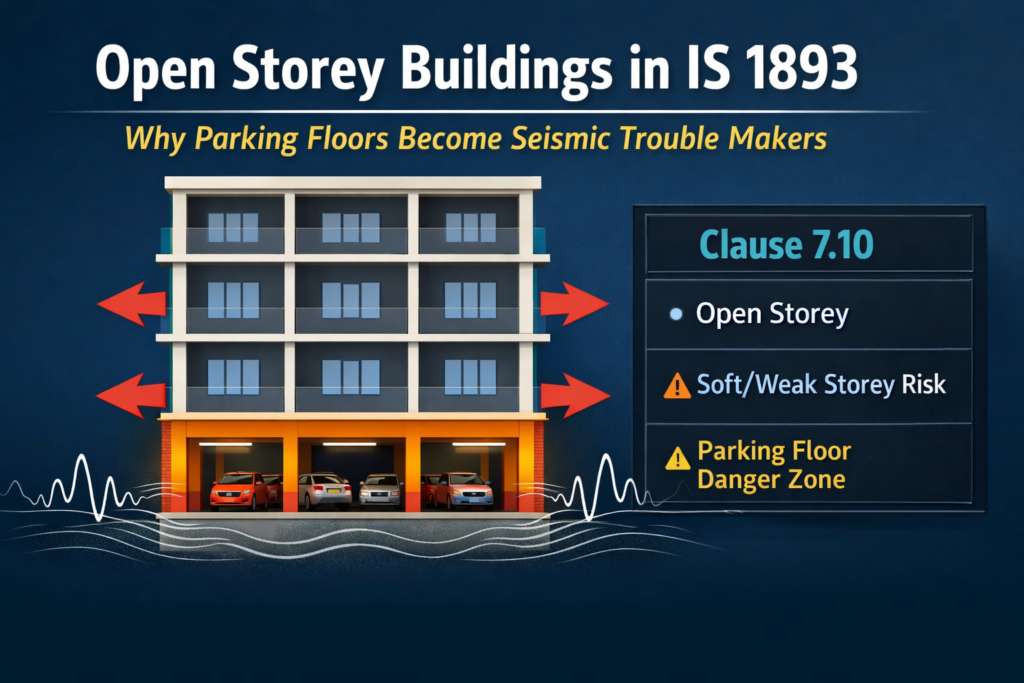
Open Storey Buildings in IS 1893 Explained

Open Storey Buildings in IS 1893 explained clearly—why parking floors become seismic weak points, what Clause 7.10 says, and what designers must check.

Open Storey Buildings in IS 1893 Explained Read More »

Floating Columns

Floating Columns in IS 1893: Are They Permitted?

Floating Columns in IS 1893 explained simply—see when they are prohibited, how Amendment No. 2 changed the rule, and why designers should avoid them.

Floating Columns in IS 1893: Are They Permitted? Read More »

1 2 … 16 Next →

Recent Posts

  • Ground-Supported vs Elevated Tanks in IS 1893 Part 2
  • Foundation Design in IS 1893: Key Seismic Rules
  • Design Eccentricity in IS 1893: 1.5es ± 0.05b
  • Storey Drift Limit in IS 1893: What 0.004h Means
  • Bare Frame Analysis in Seismic Design: Why Misleading?

Recent Comments

No comments to show.

🔗 Explore Now

👉 FIDIC Knowledge Base: wisdomwaveshub.com
📧 Email: info@wisdomwaveshub.com
📹 YouTube Channel: Growth Mindset Company

Copyright © Wisdom Waves Hub